Here in dormakaba, we always acknowledged how construction is a vastly under-digitized industry. While doing so, we also explored the manifold opportunities in digitization such as BIM, AI, AR, drones, and more to improve productivity and save resources. In the last years, a new technological infrastructure has been emerging to reverse the picture of limited digitization in construction, which remains a significant obstacle to companies and consumers.
Block
The global construction industry is estimated to worth USD 10.5 trillion by 2023. Thus, even marginal gains due to digitization and other technological improvements would make a substantial difference.
However, there’s one technology in construction that’s poised to be the biggest game-changer: Computer vision.
What is Computer Vision?
Computer vision studies how computers see, process, and understand digital images and videos. This technology mimics all tasks performed by organic eyes, including “seeing” or sensing a visual stimulus similar to a biological sense, analyzing what is being seen. But unlike a human eye that cannot possibly have a continuous and hulistic bird’s view of everything, computer vision tools can give accurate insights and recommendations about the processes.
In other words, computer vision is when AI has eyes and automates human sight. Computer vision has countless applications in many fields, including construction, security, agriculture, retail, medical, and many more.
What Does Computer Vision in Construction Entail?
The most well-known applications of computer vision include self-driving cars, facial recognition, and manufacturing robots. However, computer vision has the potential to revolutionize any industry that requires “seeing” and analyzing a visual stimulus.
Thus, in construction — an industry that heavily relies on visual precision — computer vision is touted as the next big technological frontier. Thanks to computer vision, construction projects could move on from under-digitized or partially digitized to digitally native.
What Are the Applications of Computer Vision in Construction?
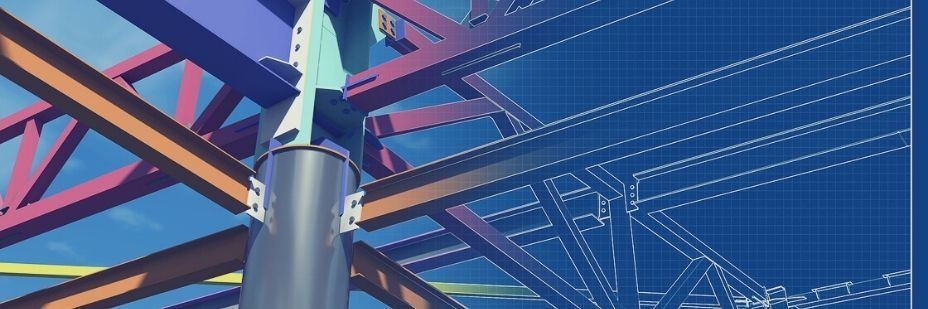
BIM, one of the most accessible tools to dramatically improve productivity in all phases of building and planning, is possibly the most popular computer vision application in construction.
Another powerful practice enabled by computer vision is the so-called digital twin, representing a real-life object that is continuously using data from the sensors. This visual analysis empowers the architects to see the unseen, calculate the uncalculatable, and make better decisions.
Simply put, computer vision in construction brings hyper-visibility in all phases of construction.
Startups Pave the Way for a Better Construction

Additionally, a burgeoning ecosystem of computer vision startups is bringing a plethora of new solutions and applications.
Jeevan Kalanithi, co-founder and CEO of OpenSpace – a startup that mapped over 1.5 billion square feet of construction projects that include hospitals, football stadiums, bridges, and large residential buildings — describes how computer vision adds value to construction.
“[Customers] can teleport into the site to inspect the actual reality,” says Kalanithi. “But they can also see what was there yesterday or a week ago or five years ago. It brings this ground truth record to the site.”
Another promising computer vision startup is EasyFlow, which works with video data analysis to quantify what happens in the real world. This way, construction executives can monitor PPE compliance, track material quantities, optimize worker flow, measure manual cycle duration, and prevent unauthorized access to the construction site.
Automated Construction Sites For Improved Outcomes
It’s no secret that budgeting is among the biggest challenges of construction projects. About 70 percent of them exceed their budget. However, thanks to computer vision in construction, this no longer has to be the norm.
Cost estimates in construction essentially simulate the full construction process. Machine learning and computer vision allow us to perform this simulation faster and more accurately, giving construction companies atomic-level visibility into their costs.
Dmitry Alexin, CEO of 1build
All in all, computer vision makes it possible to “count the uncountable” by providing 360-degree visibility to project managers and construction executives about their projects.
As computer vision in construction can increase productivity, improve safety, reduce costs and lead to better planning decisions, there’s no doubt the future of construction will depend on it — and will be better because of it.