Knowing Architecture: Islamic Architecture and Its 5 Most Beautiful Examples
From the plains of Central Asia to the hills of southern Spain, Islamic architecture has left its mark on what is known as the “old world.” It has had a significant impact on the development of architectural styles worldwide, and its influence can be observed in various structures across different cultures and eras.
Islamic architecture displays regional variations based on local traditions and cultural practices. Although the features associated with different regions—such as the horseshoe arches and colorful tiles of Andalusian architecture or the onion domes of Central Asian architecture—differ, here are some common patterns to recognize buildings influenced by Islamic architecture and some of its most beautiful examples.
6 Details to Recognize Islamic Architecture
Geometric Patterns
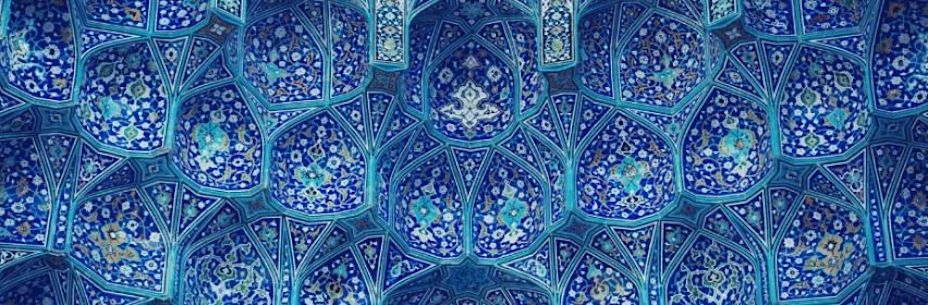
One of the most dominant features of Islamic architecture is the complexity of geometric patterns, especially since the religion forbids paintings or visual representations of human beings. These geometric patterns are visible in tiles, woodwork, plaster, and even in garden layouts. Look for repetitive geometric shapes such as stars, polygons, and interlocking motifs.
Calligraphy
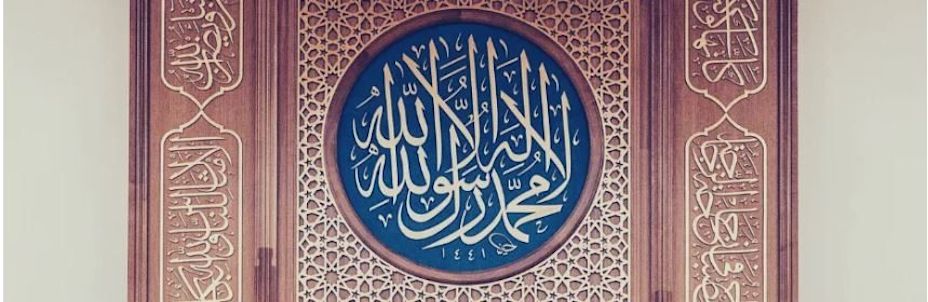
Islamic calligraphy is an important element of Islamic architecture. Look for elegant inscriptions in Arabic script, especially verses from the Quran, which adorn architectural elements such as arches, domes, and walls. The calligraphy is generally stylized and ornamental.
Arches and Domes
Islamic architecture is famous for its arches and domes. Doors, windows, and arcades are adorned with pointed or horseshoe-shaped arches. The domes are often bulbous or onion-shaped and are used to cover large interior spaces under which communities gather to pray together.
Courtyards and Gardens
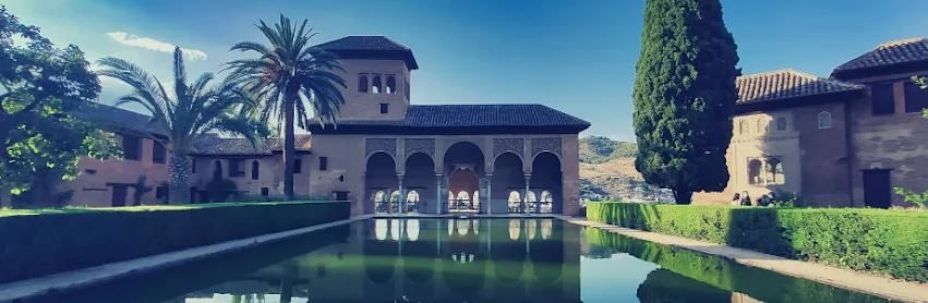
Islamic architecture often incorporates courtyards and gardens, which may represent Quranic descriptions of paradise. The open central courtyards are surrounded by covered walkways and fountains. The gardens may include water features, trees, and flower beds.
Use of Light and Shadow
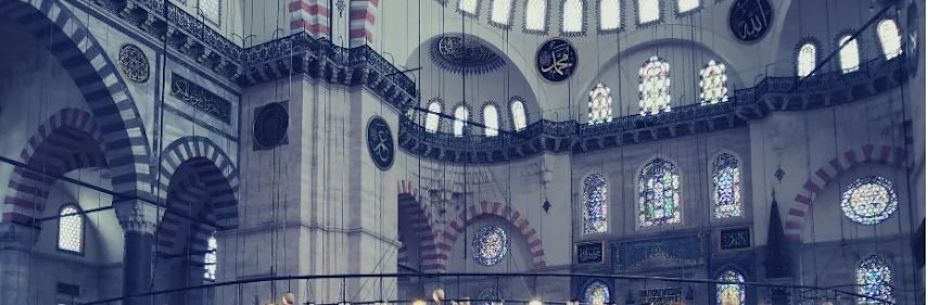
Since many Muslim-majority cultures originate from harsh climates such as deserts, Islamic architecture often uses the interplay of light and shadow to enhance its visual impact. Look for intricate latticework or pierced screens that filter light, creating beautiful patterns and a sense of tranquility.
Symmetry and Proportions
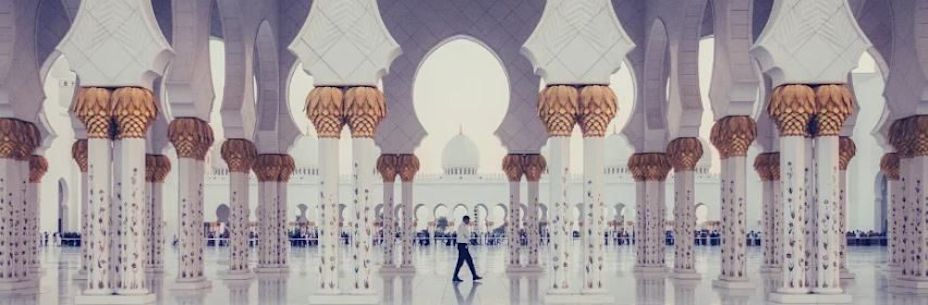
Islamic architecture emphasizes symmetry and proportions. Look for buildings and structures that feature a balanced and harmonious horizontal and vertical arrangement of elements.
5 Best Examples of Islamic Architecture
The Alhambra Palace – Spain

Located in Granada, southern Spain, the Alhambra is a palace and fortress complex renowned for its exquisite Nasrid architecture. It features intricate geometric patterns, delicate muqarnas vaults, tranquil courtyards with fountains, and breathtaking views of the surrounding Andalusian landscape.
Taj Mahal – India

A UNESCO World Heritage Site and wonder of the world, the Taj Mahal is a mausoleum located in Agra and built by Emperor Shah Jahan in tribute to his wife. Its iconic white marble dome, minarets, inlaid stone patterns, and symmetrical gardens illustrate Mughal architecture and are considered a masterpiece of Islamic art.
The Sheikh Zayed Grand Mosque – United Arab Emirates
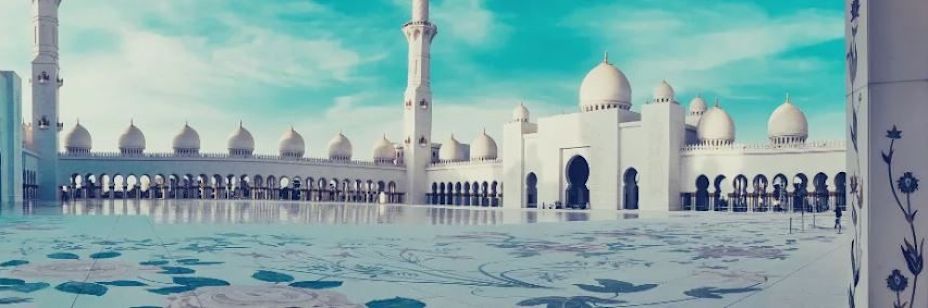
Located in Abu Dhabi, the Sheikh Zayed Grand Mosque is a modern architectural marvel. It combines traditional Islamic architectural elements with contemporary design. Its imposing size, marble cladding, intricate floral patterns, and stunning chandeliers make it a breathtaking sight.
The Topkapi Palace – Turkey

This Ottoman palace complex in Istanbul served as the residence of the sultans for centuries. It includes a collection of buildings, courtyards, and gardens. Notable examples of Islamic architecture include the Gate of Salutation, the Harem, and the Imperial Council Hall.
The Nasir al-Mulk Mosque – Iran
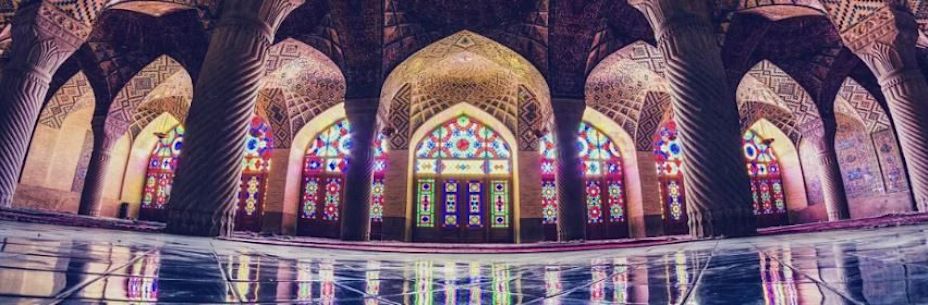
Located in Shiraz, Iran, this exquisite mosque is famous for its stunning stained glass windows that cast vibrant hues of light across the interior space. The magnificent tiles, delicate muqarnas, and intricate calligraphy contribute to its appeal.
Equipa editorial dormakaba

Artigos relacionados

Arquitetura
Construindo Sonhos: Os 5 filmes mais influentes sobre arquitetura
A arquitetura molda nosso ambiente e muitas vezes se torna um tema importante nos filmes, destacando a ligação entre design, espaço e humanidade.

Wheelchair
O Desafio de Projetar Casas e Locais de Trabalho sem Barreiras
A acessibilidade garante que ambientes, bens e produtos sejam acessíveis, permitindo que todos participem de forma autônoma e igualitária.
Arquitetura
A Sagrada Família de Gaudí Finalmente será Concluída em 2026?
A icônica basílica de Barcelona está se aproximando do seu 144º ano de construção. Sua conclusão é esperada para 2026, coincidindo com o centenário da morte de Gaudí.