In the 18th century, Abbé Marc-Antoine Laugier, an early modern architectural philosopher, proposed a mythical origin of the cottage, which could also serve as a foundation for architecture itself. Although lacking archaeological proof, his theory was rich in symbolic imagery: picture four strategically placed trees, trimmed at the top, with their trunks defining four corners; branches laid across to form a roof. Thus, the trees safeguard the ancestors of the columns under their bark.
Laugier reverse-engineered this concept from the structure of primitive temples, which consisted of wooden columns supporting a roof frame. He assumed that these temples had been conceived as an evolution and enrichment of the simplest architectural type: the hut. By tracing the development of temples up to the Classical era, he posited that what began as wooden posts evolved into stone columns — trees essentially fossilized and transformed into marble.
Load and Tension
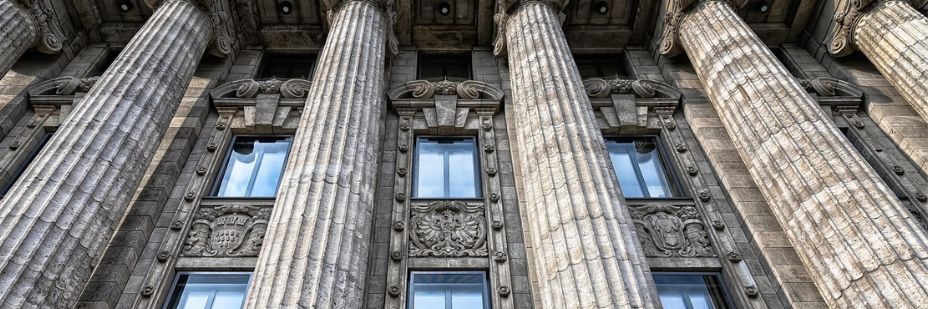
Looking at columns from a more practical, utilitarian, and prosaic perspective, they are vertical structural supports that transfer the load of roofs and intermediate floors downward, floor by floor, until reaching the ground.
Traditional stone columns function solely under compression because there is no feasible method to embed ties with beams and other structural elements within them, for they are susceptible to buckling, which significantly compromises their stability. It is worth noting that when a stone column fails, it typically does so not due to excessive compression but rather because structural instability causes the compressive forces to be misdirected, creating zones of tension.
Stability Brings Beauty
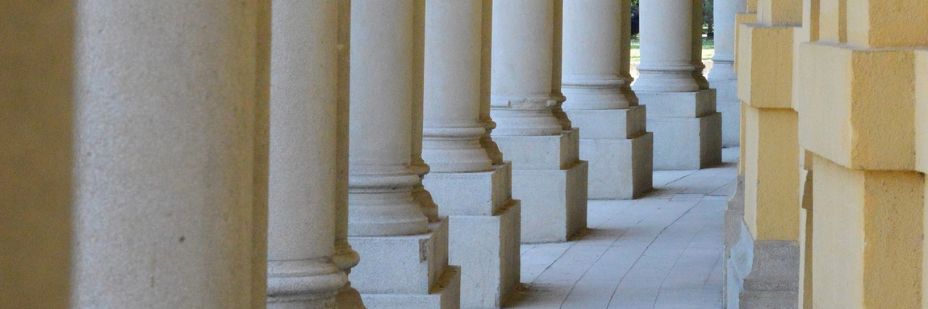
Historically, builders used a trial-and-error approach to determine the most effective proportions for a column to ensure that the lines of compressive stress remained aligned, thereby maintaining structural balance. Consequently, the forms that are celebrated in architectural treatises for their beauty and harmony are often those that have proven to be the most stable and reliable. Thus, aesthetics in architecture can be seen as a prescientific outcome of the quest for structurally sound design.
We can see that what started as a practical guide for structural safety evolved into an appreciation of beauty. It is reassuring to know that, historically, what is functional and well suited for its purpose is also seen as beautiful. This echoes the sentiments of philosophers Plato and St. Augustine, and later affirmed by architects like Gaudí or Mies van der Rohe, that "beauty is the radiance of truth," not just a superficial aesthetic choice.
It is important to differentiate between a column and a pillar: columns are circular in cross-section, while pillars are typically polygonal, often square. Historically, pillars are perceived as more robust and substantial, whereas columns are considered lighter, more graceful, and elegant. The way light plays along a column’s smooth or fluted surface enhances its delicate silhouette, presenting it as an object that balances essential strength with aesthetic beauty, evoking complex symbolism.
Pleasure and Punishment
Columns have traditionally carried a phallic symbolism due to their form, proportion, and structural function. From neurologist Sigmund Freud to architectural theorist Thomas Mical, there is extensive literature supporting this interpretation.
More often, columns are seen as anthropomorphic — representing human figures bearing burdens. This view aligns with their tapered shape, and sometimes columns are explicitly sculpted as human figures, further emphasizing this symbolism. Caryatids (female figures) and Atlantes (male figures) serve as architectural supports, their origins steeped in mythology. Caryatids represent the women of Caria, who were enslaved by the Greeks and forced to carry heavy weights, according to Vitruvius, the first Century BC Roman architect and engineer, while Atlantes refers to the Titan Atlas, who was condemned by Zeus to hold up the celestial vault on his shoulders.
A Timeless Triunvirate
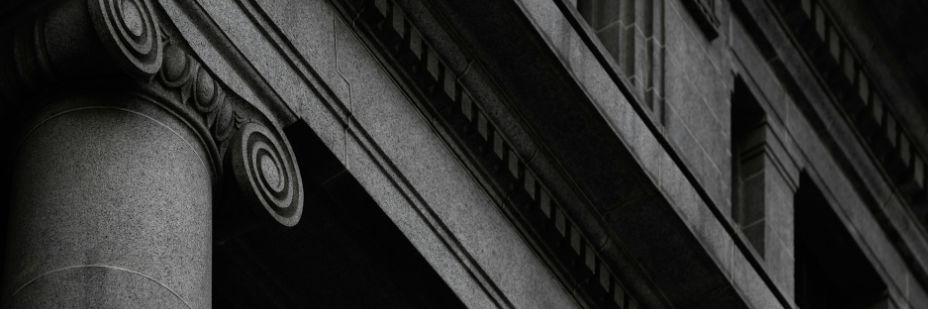
The traditional tripartite structure of the column — comprising base, shaft, and capital — serves a constructive and structural purpose by enhancing stability. The shaft transfers loads down to the foundation or the floor below. Both the base and the capital act as load-distributing elements that improve the interaction between the beams and the column, as well as the column's connection with the foundation or structural elements below, thus enhancing stability and minimizing stress concentrations.
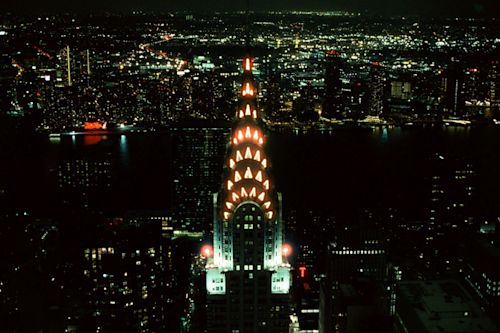
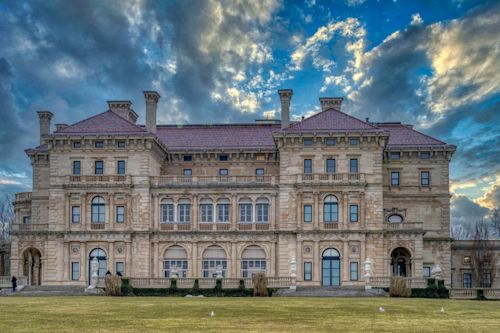
This practical arrangement also carries rich anthropomorphic symbolism, representing the foot, body, and head. Moreover, it embodies aesthetic and compositional symbolism (base, intermediate area, finish), which has influenced architectural design across scales, from Renaissance palaces to modern skyscrapers.