“Madagascar is a curious wonderland. It's an unrepeatable experiment, a set of animals and plants evolving in isolation for over 60 million years. We're still trying to unravel its mysteries,” said Sir David Attenborough, the much-beloved broadcaster and natural historian.
This island nation off the southeast coast of Africa, which has long fascinated scientists and explorers, is a stark reminder of the real-world impacts of climate change.
While famous for its unique biodiversity and lemurs, according to the United Nations, Madagascar is the fourth most vulnerable country in the world to climate change. At the same time, with a GDP per capita of USD 516, the World Bank classifies Madagascar in the category of “Least Developed Countries”.
A Perfect Storm: Poverty and Climate Change Create a Complex Crisis
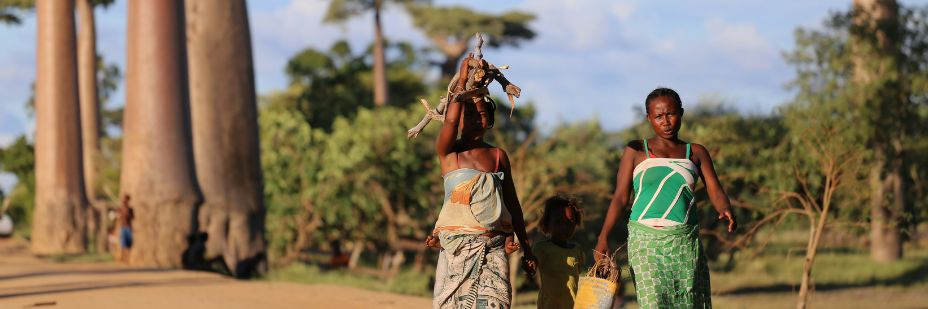
In this primarily rural economy, where most people work in agriculture and a quarter of the population live in disaster-prone zones, increased frequency and intensity of cyclones leave a trail of destruction.
Prolonged droughts disrupt agricultural production and water security. Rising sea levels threaten coastal communities and ecosystems, displacing residents and disrupting traditional livelihoods.
Poverty often pushes communities towards unsustainable practices like slash-and-burn agriculture, contributing to deforestation. Deforestation, in turn, disrupts rain patterns and weakens the soil's ability to retain water, exacerbating the impacts of droughts and floods.
This cycle of poverty, environmental degradation, and climate change creates a complex web of problems that requires multifaceted solutions.
Nevertheless, despite the combination of economic hardship and the ongoing environmental crisis, Malagasy people are rapidly learning to adapt to a changing climate.
Communities, NGOs, government agencies, and international organizations are collaborating on a range of adaptation strategies to build resilience—showcasing the world about the manifold lessons that can still be achieved with limited resources.
Lesson #1: Reforestation Efforts Take Root in Madagascar
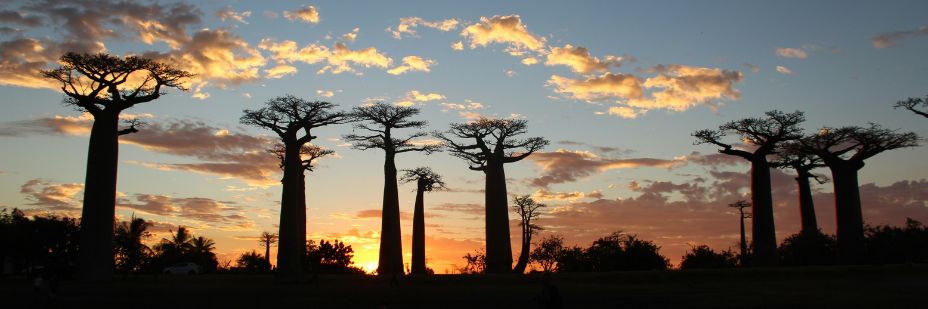
More than 90 percent of the primary forests of Madagascar are thought to be destroyed. In a bold move to restore their island, the government and people of Madagascar set an ambitious goal in 2020: To blanket the country in forest again. To achieve this, they're planting a staggering 60 million trees.
These efforts not only aim to create healthy habitats for Madagascar's unique wildlife, like the beloved lemur, but also aim to empower local communities. By providing them with opportunities to participate in sustainable forestry practices and replanting initiatives, reforestation projects offer a chance to break the cycle of poverty and environmental degradation, building a more resilient future for both people and nature in Madagascar.
Lesson #2: Protecting Paradise: Conservation Efforts Safeguard Madagascar's Future
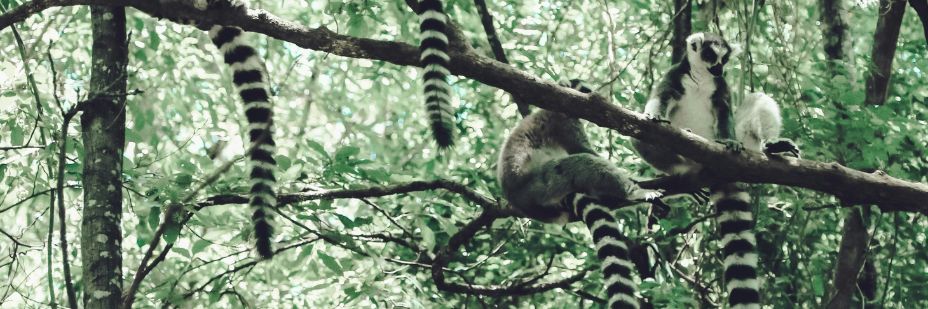
Madagascar boasts a mind-boggling diversity of life. According to the World Wildlife Fund (WWF), over 11,000 unique plants, including seven baobab species, share the island with a wealth of mammals, reptiles, amphibians, and more. Scientists even found hundreds of new species there in just a decade.
A range of conservation initiatives are underway in Madagascar. The establishment of protected areas, like national parks and reserves, safeguards critical habitats for endangered species like lemurs. Wildlife corridors, connecting fragmented habitats, allow animals to move freely and ensure healthy breeding populations.
Furthermore, promoting sustainable land management practices, such as agroforestry, helps to restore degraded ecosystems, improve soil health, and increase carbon sequestration.
By prioritizing both ecosystem conservation and biodiversity protection, Madagascar is not only safeguarding its natural heritage but also building long-term resilience in the face of climate change.
Lesson #3: A Shift Towards Sustainable Resource Management
Madagascar is making strides towards sustainable natural resource management. Climate change adaptation is no longer an afterthought, but a key component of national development planning and policies. This shift prioritizes long-term solutions over short-term gains.
One crucial strand of this strategy involves promoting sustainable agriculture. By encouraging practices like crop diversification, improved soil health management, and water conservation techniques, Madagascar aims to increase food security and reduce reliance on slash-and-burn methods that contribute to deforestation.
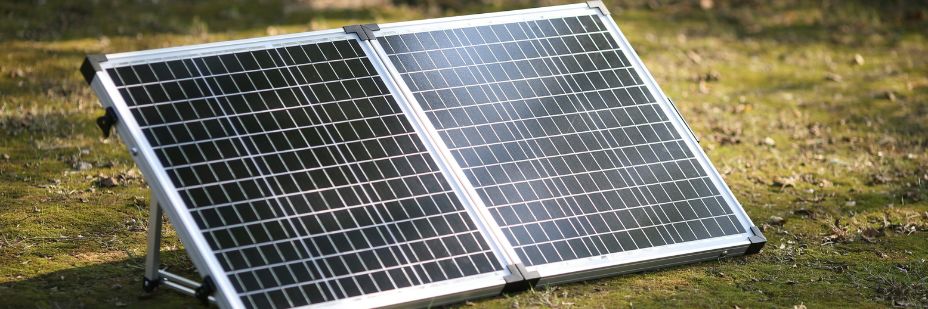
Furthermore, Madagascar has the potential to produce up to 1500 gwh per year of solar energy. Hence, investing in renewable energy sources like solar and wind power is not only reducing reliance on fossil fuels and greenhouse gas emissions, but also providing cleaner, more reliable energy for rural communities.
Lesson #4: Traditional Wisdom to Empower Communities
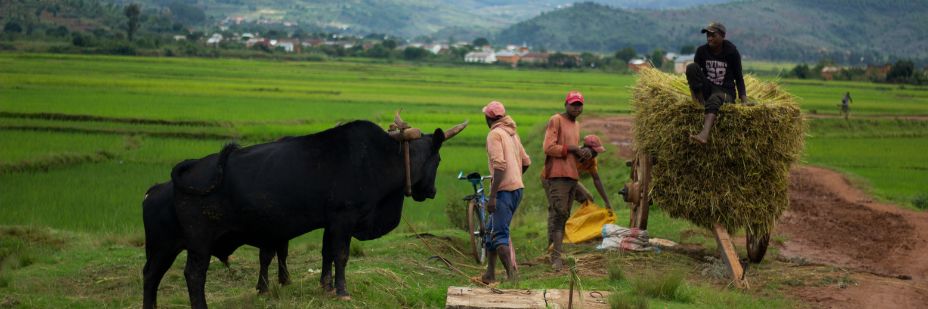
Lasting solutions to climate change require not just top-down policies, but also the active participation and knowledge of local communities. In Madagascar, empowering communities and harnessing their traditional ecological knowledge (TEK) is proving to be a powerful tool in shaping effective climate adaptation and mitigation strategies.
TEK, passed down through generations, offers invaluable insights into the local environment and sustainable resource management practices. Communities are leading the charge in climate resilience projects, such as developing drought-resistant crops and establishing community- managed mangrove forests.
Participatory decision-making processes ensure that local voices are heard and solutions are culturally relevant and sustainable. By working alongside communities and respecting their knowledge, Madagascar is fostering a sense of ownership and responsibility for the island's future.
Lesson #5: Collaboration and Financial Empowerment in Action

Madagascar's vulnerability to climate change necessitates a robust support system beyond its national borders. International cooperation, partnerships, and funding mechanisms serve as a critical lifeline in bolstering the country's adaptation and mitigation efforts. These mechanisms take several forms, fostering not just financial assistance but also knowledge sharing and global solidarity.
Climate finance initiatives play a central role. The Green Climate Fund and the Adaptation Fund are prime examples, channeling financial resources specifically designed to empower developing countries like Madagascar. These funds can support vital projects like building seawalls to protect coastal communities or developing drought-resistant agricultural practices.
Additionally, technology transfer programs play a crucial part. By facilitating the transfer of climate-resilient technologies, these programs equip Madagascar with the tools it needs to adapt and build a more sustainable future.
Sharing Resources, Building Resilience in Madagascar and Beyond
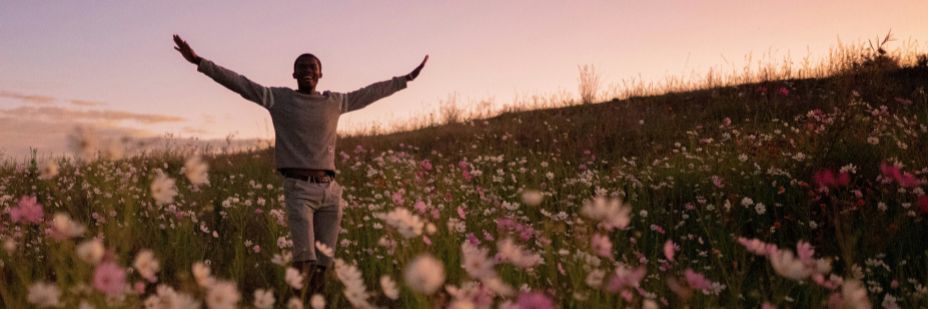
Madagascar's story is one of both vulnerability and resilience. The island Nation stands as a reminder of the devastating impacts of climate change, particularly for developing countries. Yet, amidst the challenges, Madagascar offers a beacon of hope. Through a combination of innovative solutions, international collaboration, and the wisdom of local communities, the country is demonstrating remarkable progress in adapting to a changing climate.
By sharing resources, technology, and knowledge, the world can empower nations like Madagascar to build a more sustainable future, not just for themselves, but for the planet as a whole.