In an era of rapid urban transformation, cities face not only the challenge of economic regeneration but also the more profound and complex task of cultural recovery. How can we rebuild towns in ways that preserve their unique identity? How do we design not just for productivity or efficiency, but for emotional durability, cultural integrity, and social well-being?
The city of Liverpool provides a compelling lens through which to explore these questions. With a history marked by both hardship and hope, it embodies the contradictions of post-industrial cities worldwide. Yet beyond its challenges lies a rich fabric of community strength: from its iconic music scene and working-class roots to its humour, solidarity, and defiant local pride.
The Asset-Based Community Development (ABCD) framework, as formulated by John McKnight, Jody Kretzmann, and further developed by Cormac Russell and Nurture Development, provides a strategic and ethical alternative to deficit-based urban planning.
Instead of starting from what’s missing or broken, the ABCD approach begins by recognising what already works: people, relationships, traditions, spaces, and histories. Because a city’s emotional infrastructure, community capital, and cultural identity can become the starting point for regeneration.
Urban Resilience as Emotional Infrastructure
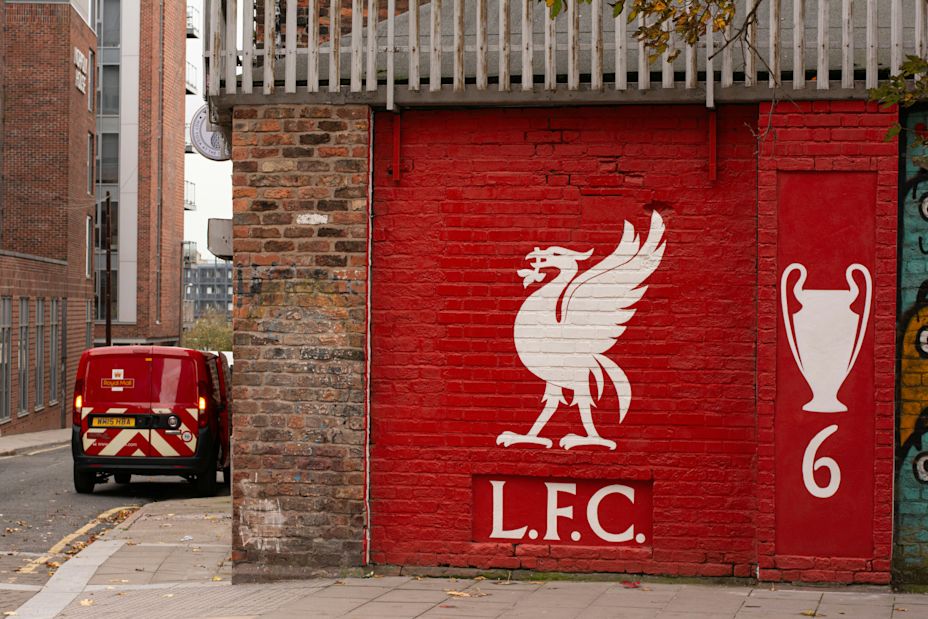
Urban resilience is often framed in terms of systems, including transport, housing, sustainability, and energy. But true resilience is also emotional. It lives in the way communities endure, adapt, and maintain a sense of dignity and belonging amidst structural change.
In Liverpool, resilience is more than recovery; it is reinvention. After decades of deindustrialisation, rising inequality, and demographic shifts, the city has remained culturally vibrant. This is not by accident, but rather through community-rooted responses, including music, football, activism, and public solidarity.
Public spaces, community rituals, and grassroots associations have functioned as emotional infrastructure. They are not merely places but emotional anchors: sites of memory and meaning that help residents orient themselves within a changing urban landscape.
As urban theorist Leonie Sandercock writes, cities are "storied spaces": places where people narrate who they are and who they want to become. Emotional infrastructure is essential to that narrative.
What’s Strong, Not What’s Wrong: The ABCD Framework
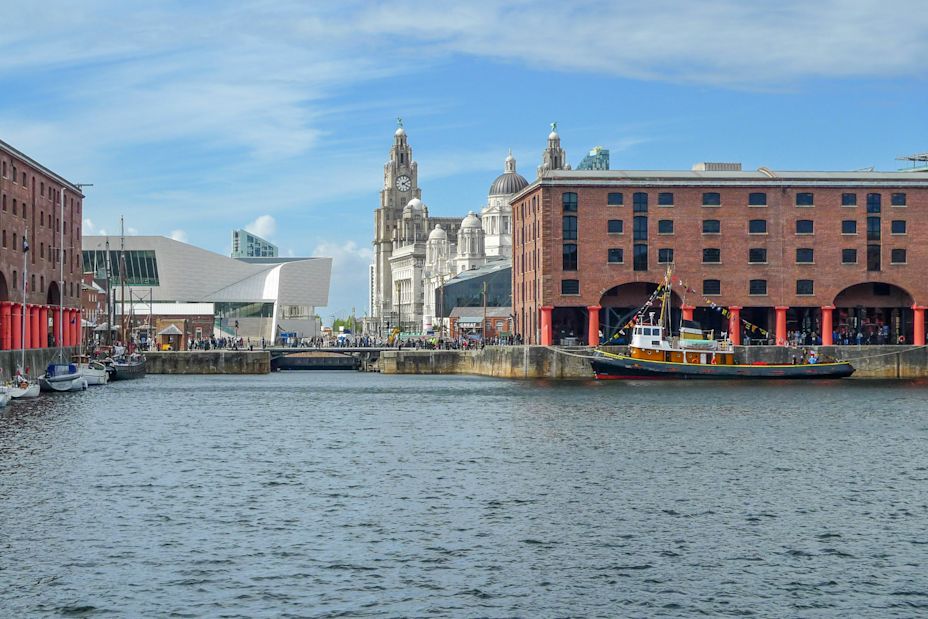
Asset-Based Community Development flips the conventional model of community development. Instead of defining communities by their deficits — poverty, crime, unemployment — ABCD invites us to map their assets: individual skills, informal networks, civic spaces, local culture, and shared values.
Cormac Russell, Managing Director of Nurture Development and global advocate of ABCD, articulates five types of community assets:
Individuals: the gifts, talents, and passions of residents
Associations: informal groups and voluntary collectives
Institutions: schools, clinics, libraries, local councils
Place-based assets: parks, murals, heritage buildings, neighborhood centers
Connections: trust, friendships, and local stories that bind people together
What makes ABCD powerful in post-industrial contexts, such as Liverpool, is that it transitions from service provision to citizen empowerment. As researchers Alison Mathie and Gord Cunningham argue, communities are not clients to be fixed, but agents with the capacity to lead their own renewal.
In practical terms, ABCD asks urban leaders to listen deeply before designing interventions. It encourages asset-mapping workshops, local storytelling, and shared leadership models that shift power back into the community.
The Baltic Triangle, Liverpool
Few places in Liverpool demonstrate ABCD principles better than the Baltic Triangle. Once a neglected docklands and warehouse district, the area has become one of the city's most dynamic cultural quarters — not through top-down master planning, but through grassroots creativity and community-led regeneration.
Historic buildings have been reimagined as co-working spaces, music venues, art studios, and social enterprises. Initiatives like Baltic Creative CIC have prioritized affordability, artistic freedom, and local voice. Notably, the area has resisted over-gentrification through policy tools, such as the Baltic Triangle Strategic Regeneration Framework, which protects cultural use and architectural heritage.
Rather than displace its identity, the Baltic Triangle has amplified it. Here, regeneration has not meant cleansing the past but curating it — making visible the community’s existing strengths and memories.
From Trauma to Transformation: Cities That Heal
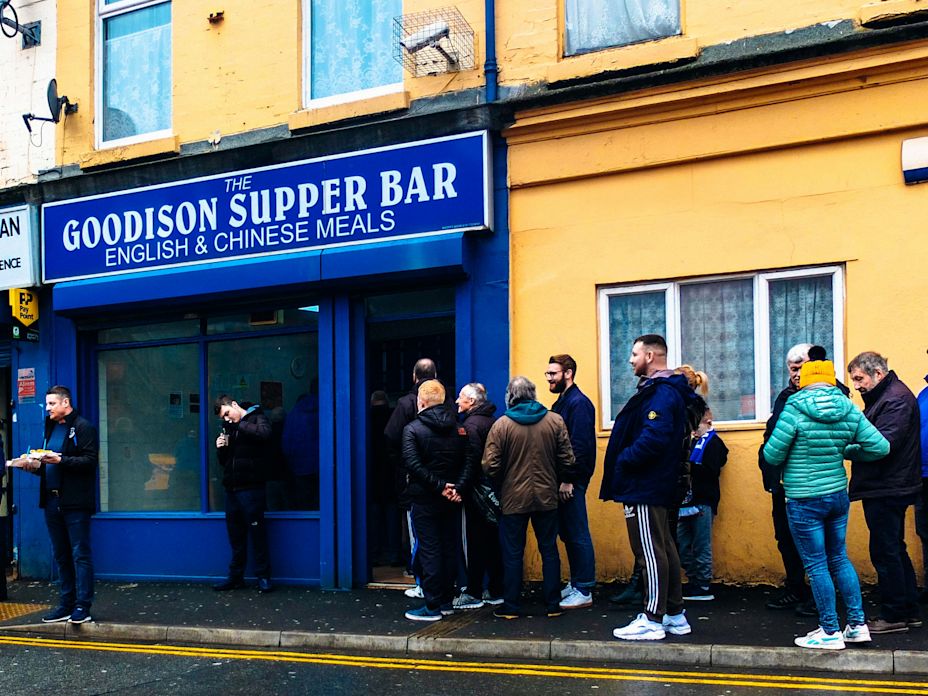
Liverpool's story is not unique. Around the world, cities emerging from loss, conflict, or neglect are redefining what it means to heal. In these contexts, regeneration is not just physical, but symbolic. It involves restoring trust, reclaiming space, and remembering what matters.
An asset-based approach is inherently dignity-driven. It fosters civic pride by making people feel seen and needed. This emotional shift is vital: research shows that when people think they can contribute meaningfully to their environment, their mental health, social trust, and collective efficacy improve.
ABCD is not a silver bullet, but it offers a hopeful framework for cities seeking resilience without rupture. It recognizes that the power to rebuild lies not only in budgets or blueprints, but in the stories, talents, and relationships that have held communities together all along.
A New Urban Narrative
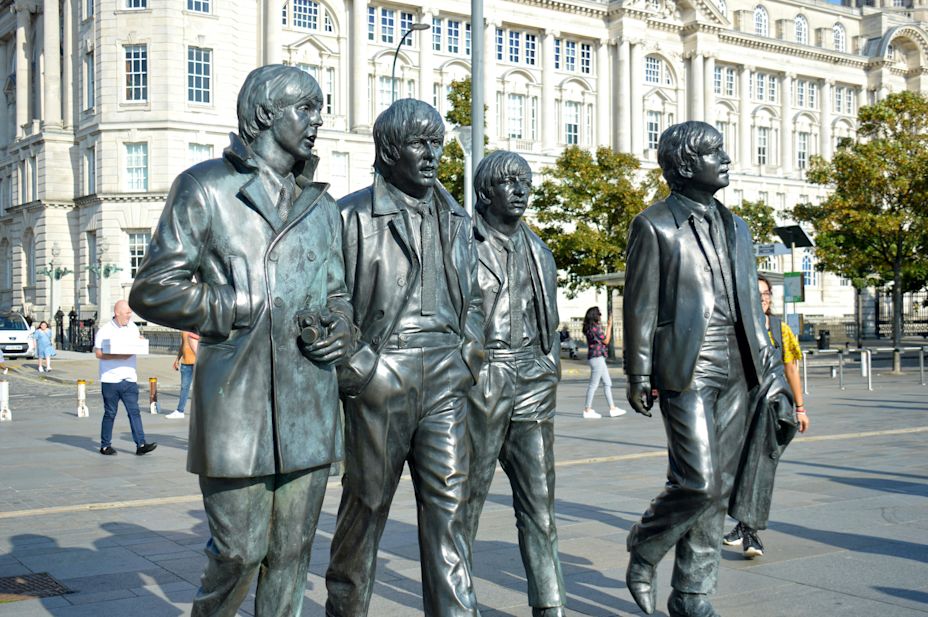
As cities around the world invest in regeneration, the question is no longer how we rebuild, but from where we begin.
Starting from deficits risks repeating cycles of marginalization. By contrast, focusing on assets — on what is strong — opens new possibilities for collective recovery and civic joy.
Liverpool teaches us that resilience lives not in policy alone, but in place. In the spaces where generations meet, the murals that carry memory, the voices that insist: "We are still here." That is where healing begins.