For decades, urban spaces have been designed according to principles that reflect predominantly male experiences, often overlooking the different safety, accessibility, and mobility needs of women and other groups with specific requirements. Today, the challenge is to rethink urbanization through an inclusive lens — one that reduces the gender gap and fosters urban environments that are safe, equitable, and sustainable for everyone.
Inclusive Urbanization: A Global Challenge

International research shows that women, ethnic minorities, people with disabilities, and LGBTQ+ communities experience greater inequality in cities that were often designed without consideration for their specific needs.
This issue lies at the heart of the United Nations Sustainable Development Goals (SDGs), particularly:
SDG 5 – Gender Equality
SDG 11 – Sustainable and Inclusive Cities
Rethinking the city from a gender perspective means reimagining urban spaces that guarantee safety, accessibility, and quality of life for all.
Global Data on Inclusive Urbanization and Its Impacts

Today’s cities still reflect a reality of inequality. Despite progress toward inclusion, many women continue to experience urban spaces differently than men — facing greater barriers, higher perceptions of insecurity, and fewer opportunities for participation. Global data show that incorporating a gender perspective into urbanization is not only a matter of equity, but also a prerequisite for sustainable development and social cohesion.
According to studies by UN-Habitat and the World Bank:
Women are twice as likely as men to report feeling unsafe in public spaces.
The perception of insecurity limits women’s mobility, directly affecting employment and social participation.
Only 36% of city councilors and 15% of mayors worldwide are women (URBACT Report), which slows the adoption of inclusive urban policies.
These findings show that perceived safety is not merely an individual concern — it is a matter of urban governance and strategic planning.
Why We Need Gender-Specific Urban Planning

Cities are not neutral; they reflect the priorities and experiences of those who design them. This is why we need gender-responsive urbanism — one that listens to and integrates the needs of women and other underrepresented groups, so every urban space becomes more accessible, safe, and participatory.
Key objectives include:
Reducing the gender gap in mobility and access to services.
Ensuring safety and inclusion in public spaces.
Promoting women’s active participation in decision-making processes.
Integrating gender-disaggregated data into all stages of urban planning.
“To make cities truly inclusive and sustainable, urban planning must systematically incorporate a gender perspective through tools such as gender mainstreaming. Only by implementing participatory policies, using disaggregated data, and designing with sensitivity to differences in mobility and safety can we create urban environments that reflect the needs of all communities — especially the most vulnerable.”
Inés Sánchez de Madariaga, UNESCO Chair and consultant, who coined the concept of “Mobility of Care”, analyzing how mobility patterns related to caregiving roles shape cities and reveal gender disparities.
International Best Practices
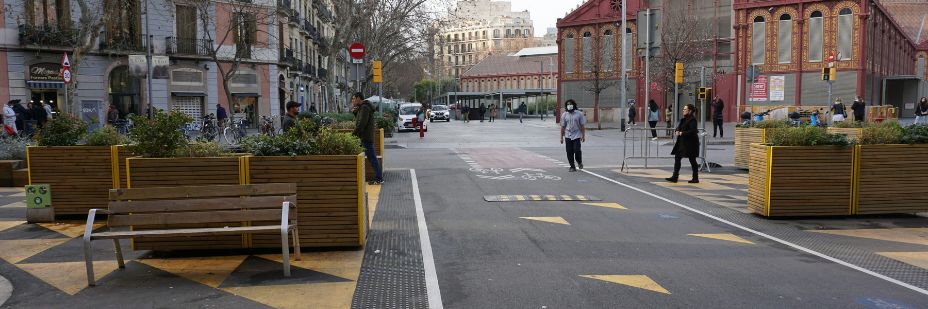
Around the world, many cities are proving that a gender-sensitive approach to urban planning is not only possible but highly effective. From Europe to Latin America, local governments and international networks are experimenting with solutions that improve safety, accessibility, and quality of life through inclusive design. These experiences show how data, participation, and innovation can transform cities into truly shared spaces.
Several countries have adopted innovative gender planning tools with tangible results:
Vienna (Austria): More than 60 public areas have been redeveloped with targeted interventions in lighting, accessibility, and services, all carried out with the active participation of women. The Seestadt Aspern district is a leading example of gender-conscious urban development.
Barcelona (Spain): The city’s “pedestrian-first” policies and superblocks reduce traffic and increase safety in public spaces. Implemented through the Ley de Barrios, these measures promote a fairer and more balanced use of urban space.
Bogotá (Colombia): The Safetipin app is used to map risk areas and enhance public safety through participatory data collection and improved surveillance.
Umeå (Sweden): Urban planning here is based on spatial usage data and perceptions of safety, creating a model of gender urbanism recognized internationally.
STEP UP Project (Milan): An international model that integrates participatory technologies such as mobile apps and GIS mapping to identify safety concerns and engage citizens. The project’s results are documented on the URBACT platform.
The Role of Research and Academia in Inclusive Urbanization
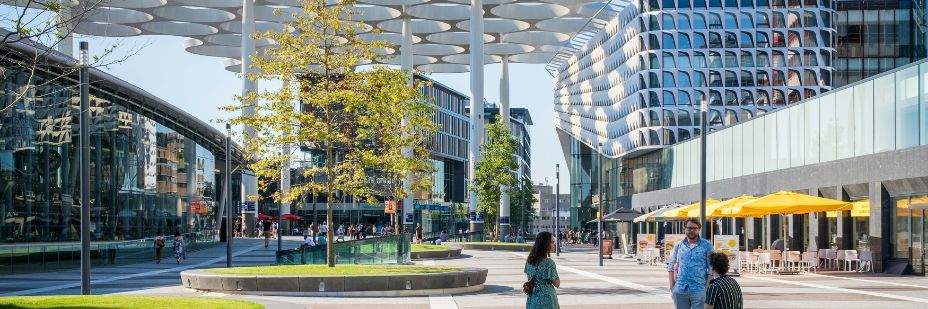
Universities and research centers are developing innovative methodologies to explore the relationship between urban governance, safety, and inclusion. The Handbook for Gender-Inclusive Urban Planning and Design identifies six key focus areas:
Access
Mobility
Safety
Health
Climate resilience
Right to housing
The use of gender-disaggregated data and participatory mapping technologies is essential to designing safer, more inclusive, and truly people-centered cities.
Towards More Inclusive and Safe Cities

Gender-sensitive urbanism is an essential component of sustainable and resilient cities. The key lies in planning based on active community participation and the use of gender-disaggregated data to design public spaces that are safe, accessible, and welcoming for everyone.
Only through this approach can we break down social and physical barriers, close the gender gap, and promote urban inclusion and safety as fundamental pillars of innovation and progress.