
Air travel is soaring to new heights. According to IATA, global passenger traffic in 2024 — measured in passengers per kilometer — grew by 10.4% compared to 2023, driven primarily by a 13.6% increase in international travel versus 5.7% growth in domestic markets. The aviation industry continues to demonstrate remarkable resilience, with global passenger numbers projected to reach 9.8 billion in 2025 — a clear sign of its ongoing expansion despite an increasingly complex geopolitical and economic environment.
This growth is being fueled largely by emerging aviation markets such as Asia-Pacific, the Middle East, and India, while some of the world’s most established hubs still face a more uncertain future amid shifting demographics and geopolitical pressures. However, even if they are not facing growing customer numbers, there is still a shortage of skilled labour and automation is done where possible to optimize passenger flow.
In 2024, the 20 busiest airports worldwide handled 1.54 billion passengers, representing 16% of total global air traffic.
The Era of the ‘Help Yourself’ Airport
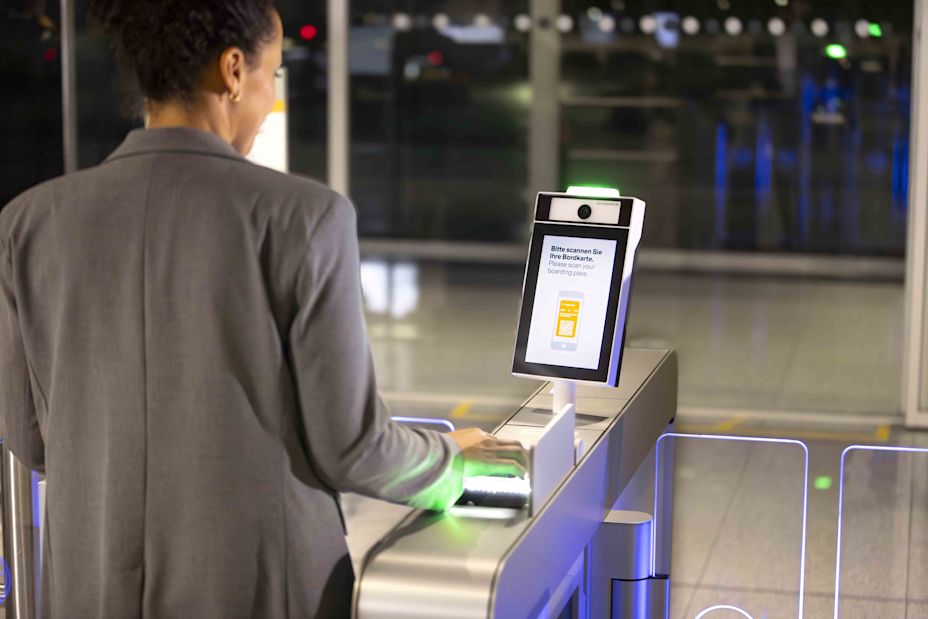
The sustainability of air traffic growth will depend not on building larger airports, but on implementing automation, digitalization, and more efficient processes capable of managing increasing passenger volumes.
Air transport is entering a crucial period of transformation that affects every aspect of the industry: facility design, passenger flow, security and access control systems, and even the role of airlines themselves. In this context, self-service and automation have become powerful forces driving change across the entire journey.
Self-service refers to the use of intelligent technologies that allow passengers to manage their own travel processes — from check-in to boarding — without human assistance. As early as 2007, the IATA Fast Travel initiative was introduced to meet passenger demand for a smoother, time-saving travel experience and greater control over their journey. It encompassed operations such as automated baggage tagging and claim, self-check-in, self-boarding, and the ability to rebook flights independently.
The Way We Travel Has Been Reinvented
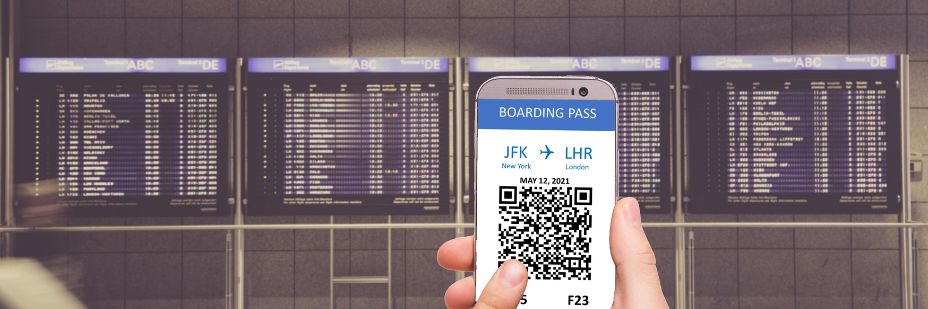
Passengers increasingly expect flexibility and transparency when planning and booking their trips, as well as speed and convenience once they arrive at the airport. In fact, 45% of travelers would like to complete all immigration procedures before entering the terminal.
Programs such as One ID make this possible in certain regions by combining the prior exchange of information between airport and passenger with contactless access through biometric identification. Travelers are essentially ready to fly before they reach the airport, easing the operational burden on airlines, reducing congestion, and allowing authorities to conduct risk analyses in advance.
Biometric boarding has already become a global standard. By mid-2024, 98% of airlines had implemented or were planning to implement biometric systems in their terminals. In 2017, Amsterdam Airport Schiphol pioneered this approach with “front boarding,” enabling passengers to pass through automated boarding gates without stopping. Their biometric profiles verified their identity, cutting boarding time by 30% per flight.
Today, 57% of airports worldwide use biometric gates, eliminating the need for manual document checks and identity verification.
Automated Check-In and Security Checks

Checked baggage and security screening are often the most stressful moments before a flight. In fact, 57% of travelers say they would prefer to avoid security checks altogether to escape long lines, confusion, and the inconvenience of removing personal items.
Innovative solutions such as automated control lanes and centralized image processing are helping to change that reality, significantly improving checkpoint efficiency, reducing wait times, and enhancing the overall passenger experience.
Many major U.S. airports now operate security lanes equipped with facial recognition technology, allowing passengers to validate their identity without presenting physical documents.
Similarly, facial recognition check-in systems at Delhi Airport link each piece of luggage to a passenger’s biometric profile, ensuring that no one can fraudulently claim another traveler’s bag at the destination. The entire process takes just 30 seconds to complete.
Learning from Other Industries

Self-service kiosks have already become commonplace across multiple sectors. The global market for these systems is valued at US$ 34.2 billion in 2024 and is expected to grow by 10.5% annually, reaching US$ 92.8 billion by 2034. Businesses are adopting them rapidly to meet rising customer expectations while also reducing operating costs.
Self-service is not only about speed; it is a key driver of user satisfaction and loyalty. In retail, self-checkout kiosks streamline transactions and reduce queues, particularly during peak hours. In the food service industry, self-ordering stations in fast-food outlets let customers customize their meals and pay without waiting in line.
In hospitality, data shows that 70% of travelers would prefer to check in without visiting a front desk — and kiosks generate 25% more upsells. Waiting in a lobby queue is no longer a welcoming experience for modern guests, proving once again that when technology works, travelers value comfort and flexible infrastructure over tradition.
Safety, Security, and Confidence in Automation
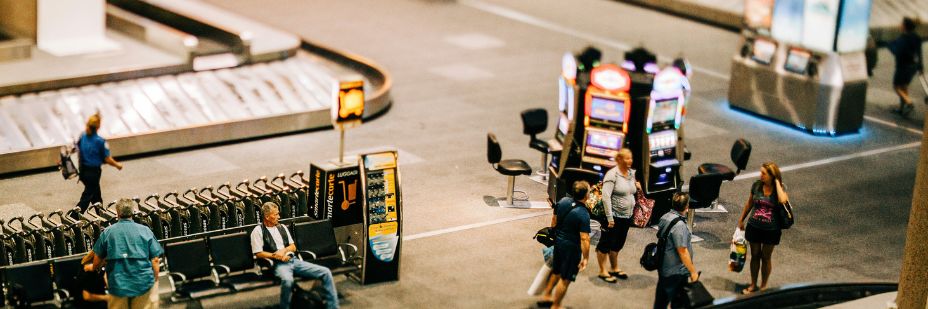
Passenger trust is essential for the adoption of automated systems. This confidence is built through transparency in data use, technological reliability, and clear communication. The data collected from self-service kiosks, for instance, provides valuable insights for airport management — such as identifying peak hours or the most frequent passenger queries — while reassuring travelers that the process is both efficient and secure.
Advanced technologies make it possible to maintain rigorous safety controls while streamlining passenger flow. Access control and intelligent systems are now part of a coordinated ecosystem in which airports, authorities, security agencies, and technology providers work together to respond to threats without creating operational bottlenecks.
The challenge is not to choose between safety and automation, but to design intelligent systems that achieve both. In 2023, the airline industry invested 10.8 billion dollars in digital transformation initiatives at airports — a clear sign of its commitment to building safer, smarter, and more efficient travel experiences.
Looking Ahead: Help Yourself to the Airport of Tomorrow
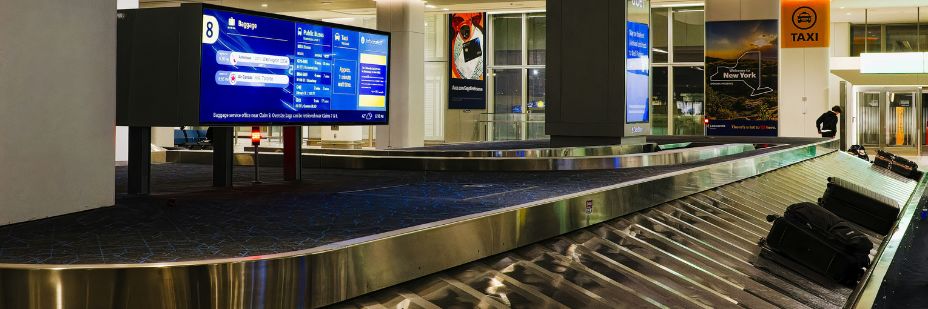
Artificial intelligence and the Internet of Things are driving airports to meet ever-higher expectations. The result is smarter operations, better insights, and smoother, safer journeys for passengers.
IoT devices continuously monitor the condition of essential equipment such as escalators and baggage conveyor belts, while machine learning algorithms predict potential failures before they happen. This predictive approach helps avoid costly downtime and keeps airport operations running efficiently.
Baggage management is also becoming more intelligent. The combination of AI algorithms and IoT sensors enables real-time tracking of baggage movement, giving passengers greater visibility and helping prevent losses or delays.
AI-powered digital assistants are another exciting development. In the near future, they could accompany travelers throughout their journey — helping them plan personalized itineraries, adjust connections in real time based on delays, and even suggest useful information such as dining options or weather updates.
Redesigning the Journey, Not Just the Airport

The standard for digital experiences has never been higher. As IoT integration continues to deepen, the entire airport ecosystem is moving toward full connectivity. Biometric check-in, virtual queues, and real-time flight updates are reducing uncertainty and making travel smoother and more predictable. At the same time, greater collaboration between airports enables more effective scheduling by airlines, allowing them to optimize flight times based on variables such as weather, air traffic, and passenger demand — reducing delays and increasing operational efficiency.
On the ground, predictive analytics is helping airports anticipate demand for services such as parking, VIP lounges, and retail. With a clearer view of passenger behavior, they can plan resources and manage inventory more effectively, meeting customer needs while minimizing unnecessary costs.
Increasingly, self-service kiosks, automation, and advanced access control systems are turning airports into truly autonomous environments — improving operability and safety, while transforming the traveler experience from a series of procedures into a seamless, intelligent journey.