The cruise industry faces a unique set of challenges. It is a highly concentrated market in which a handful of companies dominate global routes, exerting enormous influence and economic impact.
Cruising is also a form of tourism defined by seasonality and concentration: massive passenger flows create congestion and pressure on cities and ports at specific times, straining local transportation, infrastructure, and waste management systems. Yet, beyond these well-known external challenges, it is often the overlooked, intrinsic conditions that have the greatest impact on cruise operations — the harshness of navigation itself and the sheer number of passengers on board.
The largest cruise ships can accommodate 6,000 to 7,500 passengers, functioning almost like floating cities with dynamic “populations” in constant motion — walking, dining, relaxing, and using every onboard system and access point. To this perpetual flow of people is added the continuous exposure of ships to extreme marine conditions: salt, humidity, corrosion, vibration, and sudden temperature changes — all endured in an environment isolated from immediate external support.
Repair and Maintenance of On-Board Safety Systems
The passenger experience depends not only on quality service but also on trust in the systems that ensure safety, seamless access, and uninterrupted operations. Automatic doors, mobile credentials, boarding control systems, and security checkpoints — each of these elements must deliver consistent performance, continuous availability, and minimal maintenance to avoid interruptions and costly interventions.
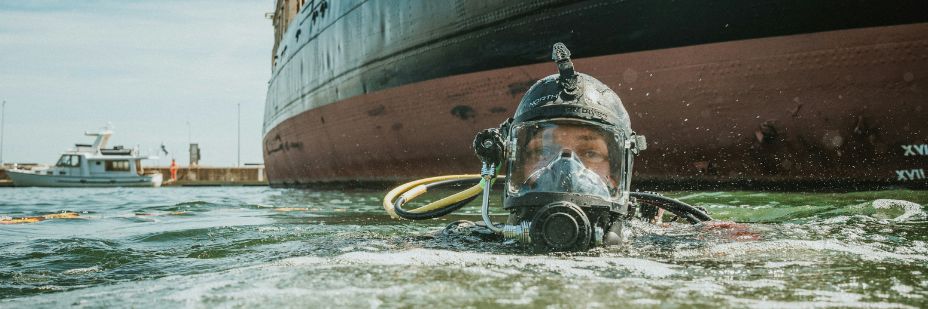
The annual cost of repairing and maintaining cruise ships is estimated at $337 million. At the same time, maritime regulations are extremely stringent. The International Convention for the Safety of Life at Sea requires annual inspections of passenger ship hulls — though most cruise lines go further, conducting even more frequent checks using divers at docking ports. In addition, two full inspections must be carried out every five years, with no more than three years between them.
Given these demanding conditions, shipbuilders and equipment manufacturers are increasingly focused on creating highly resilient solutions, designed for durability, reliability, and low maintenance, ensuring continuous operability even in the most challenging marine environments.
Solutions and Technologies That Withstand the Toughest Conditions

Technologies such as advanced anti-corrosion coatings, modular systems, and IoT-enabled sensors are redefining the standards of efficiency, safety, and sustainability in modern cruise ship design. For instance, the use of nanoparticles and hybrid polymers helps extend the service life of metal doors, access systems, and structural components — resulting in less preventive maintenance, lower operating costs, and greater safety by reducing the risk of operational or structural failures.
Similarly, anti-corrosion paints provide the toughness required to withstand impacts, cracks, and continuous exposure to the elements. They also protect surfaces from UV radiation, abrasion, and the corrosive effects of cleaning agents. Among the most commonly used coatings are epoxy, polyurethane, and zinc-rich compounds.
Other methods, such as cathodic protection systems and corrosion inhibitors, are also widely implemented. These inhibitors — chemical compounds applied to metal surfaces — can reduce maintenance costs by up to 35%, mitigating the effects of marine pollution and prolonging the operational lifespan of onboard systems.
Modular and Connected Maintenance
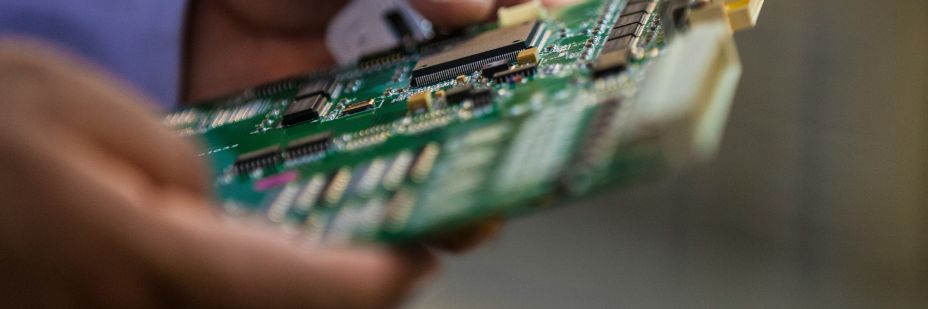
Access systems with modular locks allow for the replacement of individual components — such as cylinders, electronic readers, or control modules — without dismantling the entire unit. This approach enables faster repairs, reduces the need for specialized personnel, minimizes downtime in critical areas, and supports incremental technological upgrades without replacing the complete system.
IoT sensors add another layer of resilience by detecting corrosion, excess humidity, or system failures before they become critical. They can monitor usage patterns to optimize maintenance schedules and generate automatic alerts in the event of anomalies. These systems not only warn of leaks or closing failures in watertight doors but can also alert the crew to external incidents — such as a passenger overboard — allowing for an immediate response.
This technology works in conjunction with the latest AI-enhanced camera systems, capable of detecting and classifying objects that might escape traditional radar or AIS tracking. These include unmarked vessels, floating debris, buoys, inflatable boats, kayaks, and even individuals in the water. Each unit undergoes precise assembly, calibration, and rigorous functionality testing, including leak and performance assessments, to guarantee long-term reliability and durability.
At the same time, strengthening onboard connectivity is essential to maintaining safety in all circumstances. Navigation faces considerable challenges: coverage gaps, high communication costs, data delays, frequent network switching, and growing cyber threats.
Reliable satellite backup systems ensure seamless operations — from port to open sea — while onboard cell towers provide continuous access to calls, messages, and mobile data for both crew and passengers.
Looking to the Future: AI-Powered Predictive Maintenance
The integration of IoT sensors is only the first step in the cruise industry’s ongoing race toward innovation. With the application of machine learning algorithms, it will soon be possible to predict component failures before any visible signs of wear appear. For example, an AI-driven system could analyze vibration and temperature patterns in locks and gates, detect micro-variations in closing resistance that signal internal corrosion, and automatically prioritize maintenance tasks according to their criticality and operational risk.
This approach not only reduces unplanned interventions, but also optimizes spare-parts logistics and allows crews to focus on actions that truly matter. On a cruise ship — where access to ports, tools, and technical resources is limited — the ability to anticipate critical failures can make the difference between a smooth voyage and a costly disruption.
Ultimately, maritime safety relies on a balance between resilience and foresight, accounting for the extreme conditions that onboard systems must endure. Innovation in design — from the choice of materials to performance testing — will be key to ensuring that cruise ships remain safe, reliable, and efficient throughout their life cycle.
As durability becomes both a technical necessity and a strategic business priority, the industry’s success will increasingly depend on its ability to design systems that can survive salt, time, and the vast unpredictability of the sea.