Green Buildings: Advantages of Certifications for Sustainable Construction
The world probably has just over a decade to prevent climate change from causing a warming of more than 1.5 degrees Celsius. Any further increase in temperature could otherwise mean catastrophic effects such as droughts, floods, and famines for millions of people. Buildings and the construction sector are responsible for almost 40 percent of total greenhouse gas emissions that contribute to this catastrophe. Thus, buildings occupy a hybrid position: on the one hand, they are co-causers of the problem, on the other hand, they harbor untapped transformative potential for sustainable construction.
Growing Need for Sustainable Buildings
Over the next four decades, 230 billion square meters of new construction are forecasted. To get an approximate idea of the scale, imagine that every week all the buildings of Paris are added to the current stock. Since about half of the world’s population already lives in urban areas—and an estimated two-thirds of the projected 10 billion people by 2060—this new wave of construction will be unlike any before it. For humanity to grow, thrive—and survive—it must be sustainable.
Sustainable building design means that architects, contractors, building owners, and regulators increase the efficiency in the use of energy, water, and all other materials used in a building to reduce harmful impacts on the environment and human health. This type of planning also has direct economic benefits such as reducing operating costs through energy savings, improving work productivity, and increasing the value of a building.
Block
Becoming Sustainable, Saving Energy
There are a number of factors that contribute to a building’s total emissions. The first is the energy—such as lighting, heating, and cooling—that a building consumes in its daily operations. The second is the emissions generated during the construction of a building. How sustainable are the building materials? How much CO2 is emitted during the production of these materials and what machinery is needed to manufacture them? To counteract dangerous climate change, the Paris Climate Agreement includes a global action plan to limit global warming to well below 2°C. To achieve this ambitious goal, the energy intensity in the entire construction industry worldwide must be improved by 30 percent per square meter by 2030. All the aforementioned factors must be taken into account.
Calculating the Ecological Impact of a Building
The most widely used certification for sustainable building is called Leadership in Energy and Environmental Design (LEED) and was developed by the US Green Building Council. Getting a “green stamp” is complicated, as the evaluation process must consider the direct impacts of a building on the environment. Ozone formation and greenhouse gas potential as well as other emissions are classified according to a standardized set of criteria. However, not only is it assessed how much a building currently emits, but also what environmental impacts the products and materials used in the building have. Even the entire life cycle of the building is included in the evaluation—from raw material extraction to the construction process, to the usage phase, maintenance, demolition, and recycling of valuable materials.
Sustainability Certificates: Demanding, but Worthwhile
The sometimes demanding process may be a bit difficult to argue for, but the benefits far outweigh the initial effort. On the one hand, sustainability certifications are often promoted with tax incentives, and on the other hand, certified buildings generally achieve higher sales prices, are easier to market, and offer image advantages.
The savings potential is also remarkable: it is reported that LEED-certified buildings have maintenance costs that are twenty percent lower, and for sustainably renovated or refurbished buildings, cost reductions of about ten percent can be recorded in the first year.
Sustainable Buildings as the Only Viable Path to the Future
Building certification systems for sustainable construction require an assessment of indoor air quality. Thus, they also save lives in the immediate sense, as household air pollution currently causes four million deaths per year. A study has shown, for example, that LEED-certified buildings have CO2 emissions that are more than a third lower. Thus, these buildings not only save lives, but also secure the future of the entire planet.
dormakaba Editorial Team

Related articles

Technology
Surviving Salt and Time: Designing Safety Systems to Endure Decades at Sea
Shipbuilders and equipment manufacturers are increasingly focused on creating highly resilient solutions, designed for durability, reliability, and low maintenance, ensuring continuous operability even in the most challenging marine environments.

Security
Everything Businesses Need to Know About Multi-Factor Authentication
Multi-factor authentication (MFA) has emerged as one of the most effective tools to protect access to systems, data, and business resources.
Architecture
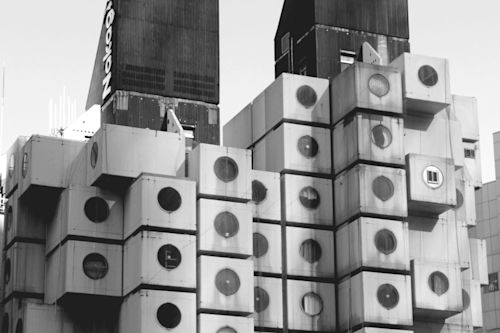
Know Your Architecture: Japanese Metabolism and 5 Finest Examples
Japanese Metabolism is an architectural movement born between the late 1950s and 1960s, during the post-war reconstruction phase characterized by rapid urban growth and strong technological innovation.