Pervious concrete has emerged as an effective solution to some of the most pressing environmental challenges facing modern cities. Unlike traditional concrete, its open-pore structure allows water to flow through rather than accumulate on the surface. This permeability enables rainwater to infiltrate the ground, reducing surface runoff and helping replenish aquifers.
In today’s increasingly dense urban environments, the spread of impermeable surfaces—such as roads, sidewalks, plazas, and parking lots—has placed growing pressure on conventional drainage systems, raising the risk of flooding. As rainfall events become more intense and frequent, often accompanied by extreme weather, permeable concrete offers a technical and functional response that integrates water management directly into the design of the built environment.
Why Material Matters in Urban Resilience
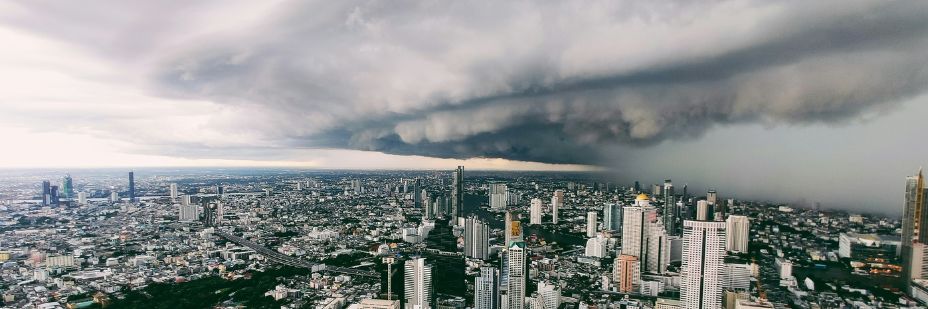
The materials used to build our cities play a decisive role in determining their capacity to adapt to climate change. In numerous applications, permeable pavements have shown the ability to reduce runoff volumes and peak flows by as much as 80%. Moreover, the natural filtration process improves water quality by trapping sediments and pollutants before they enter natural ecosystems or sewage networks.
Through this approach, pavement ceases to be a passive element and becomes an active part of urban water management—an infrastructure that aligns with the principles of sustainable construction and climate resilience.
How Permeable Concrete Works
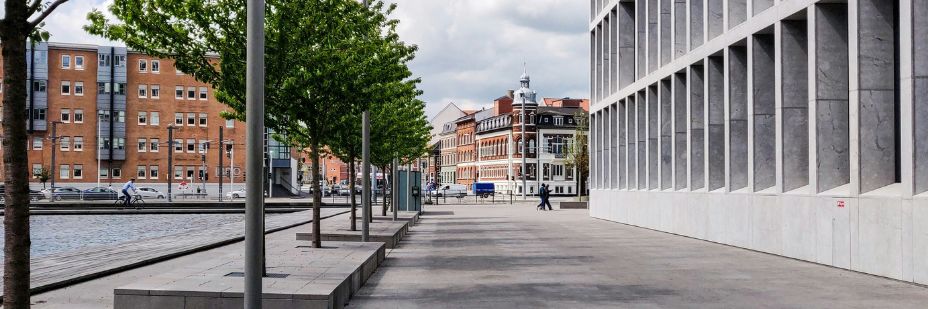
Permeable concrete functions thanks to a carefully engineered composition of cement and coarse aggregate, with little or no sand. This creates a network of interconnected voids, producing porosity levels typically between 15% and 35%, which enable water to drain naturally through the pavement. The design achieves a delicate balance between infiltration capacity and mechanical strength, ensuring that the material fulfills its structural role without compromising performance.
Because of its less compact structure, permeable concrete is best suited for areas of light to moderate traffic—such as sidewalks, pedestrian zones, parks, low-intensity parking lots, and residential areas—where it performs optimally in both functional and environmental terms.
Under normal design conditions, permeable concrete allows water to pass through at rates significantly higher than those of most natural soils. Typical permeability values range from 120 to 700 liters per minute per square meter (approximately 0.2–1.2 cm/s) in laboratory tests with well-designed mixes. These levels are more than sufficient to efficiently drain parking areas or walkways, provided that the sub-base is properly designed and regular maintenance is carried out.
Maintenance as Part of the Lifecycle
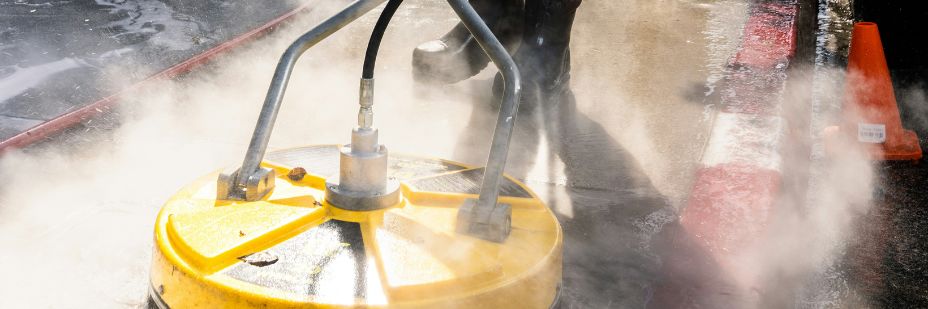
For permeable concrete to maintain its effectiveness over time, it must be included in a planned maintenance strategy. Regular tasks involve inspections and surface cleaning to prevent sediment buildup, which can block the pores and reduce infiltration. When the permeability drops significantly—typically a 25% loss of the original rate or values below 100 inches per hour—deep cleaning can restore much of the material’s functionality. In cases of complete clogging, specialized equipment combining simultaneous pressure washing and vacuuming can recover infiltration rates of 100–200 inches per hour.
In cold climates, additional measures are required to prevent freeze-thaw damage, ensuring that the concrete maintains both its permeability and structural integrity throughout seasonal cycles.
Efficient Water Management and Flood Risk Reduction
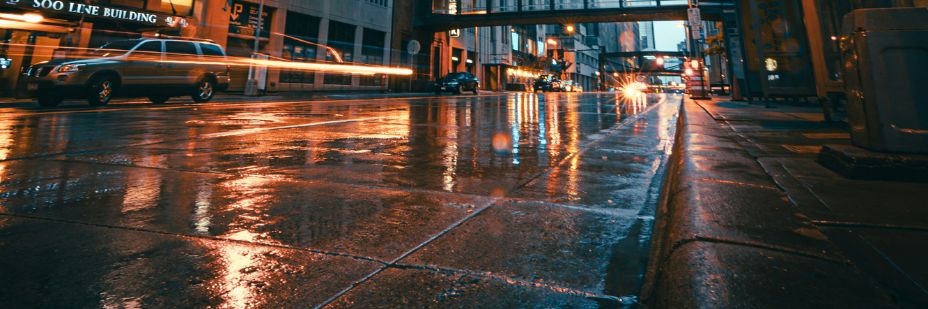
By functioning as an active drainage surface, permeable concrete plays a vital role in sustainable water management. Its ability to absorb and gradually release rainwater creates a dampening effect that slows runoff during heavy storms, reducing the likelihood of localized flooding. In particularly vulnerable areas—such as urban valleys, low-slope zones, large paved surfaces, or neighborhoods with aging infrastructure—this feature translates into fewer overflow incidents and greater resilience to extreme rainfall events.
Another important advantage lies in its lower thermal conductivity compared to conventional pavements, which helps mitigate the urban heat island effect. Studies have shown that permeable concrete can reduce surface temperatures by up to 6°C, enhancing comfort and usability in public spaces.
Integration into Urban Sustainability Strategies
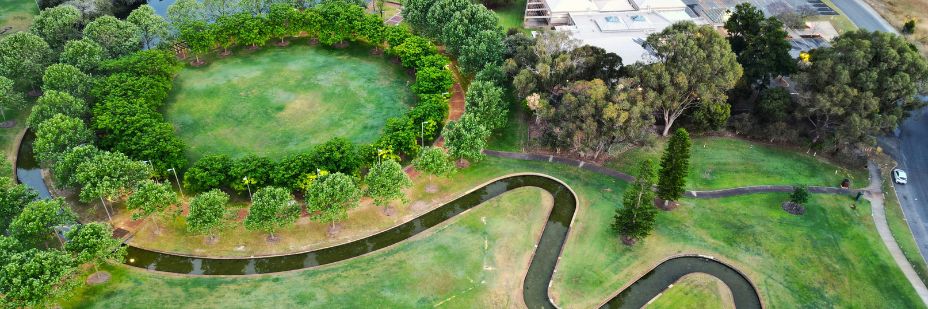
Permeable concrete integrates seamlessly into Sustainable Urban Drainage Systems (SuDS) and climate-resilient planning models. Its use supports several criteria within environmental certification frameworks such as LEED, including the reduction of natural water flow disruption, pollutant filtration, and mitigation of heat absorption from traditional dark pavements. Additionally, by allowing the collection and reuse of infiltrated water for irrigation, it reduces demand on urban green space maintenance.
Ultimately, permeable concrete is more than just a technical innovation—it is a strategic component in designing safer, more comfortable, and environmentally responsible cities, aligning urban infrastructure with the broader goals of sustainability and resilience.
Main Applications of Pervious Concrete
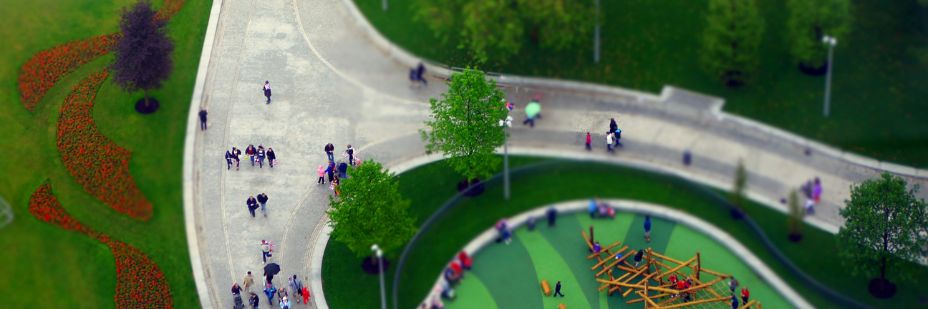
Permeable concrete is widely used across urban and residential settings where water management and sustainability are essential. It is particularly effective for secondary streets, pedestrian walkways, cycle paths, and residential driveways, as it prevents puddling, enhances durability, and improves safety and comfort even after heavy rainfall.
Its drainage capacity also makes it ideal for parks, playgrounds, sports courts, and other recreational areas where standing water can hinder use and damage the soil. In residential and small-scale landscaping projects, permeable concrete supports natural water flow while creating visually appealing, functional outdoor spaces.
Towards the Green City
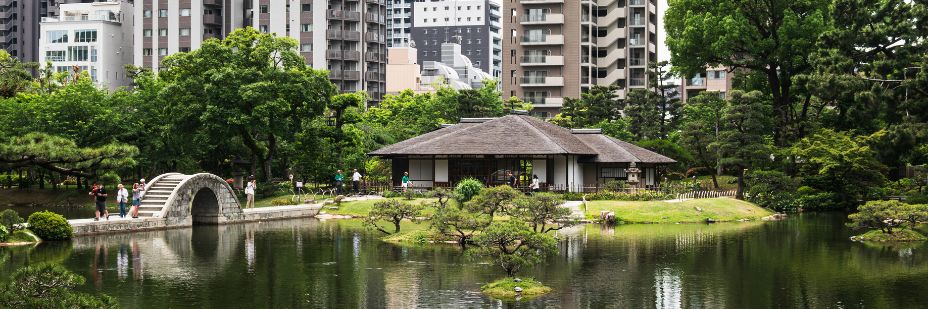
Beyond its technical performance, permeable concrete represents a key step toward building sustainable, climate-resilient cities—places where intelligent water management and green infrastructure are fundamental. It not only mitigates flooding and improves the urban water cycle but also opens new opportunities for innovation in sustainable design through the use of recycled materials and advanced production techniques.
Looking ahead, continued research into permeable materials will further enhance their potential. New formulations, composite mixes, and structural systems will help cities strengthen their resilience and sustainability, contributing to the creation of greener, smarter, and more efficient urban environments.