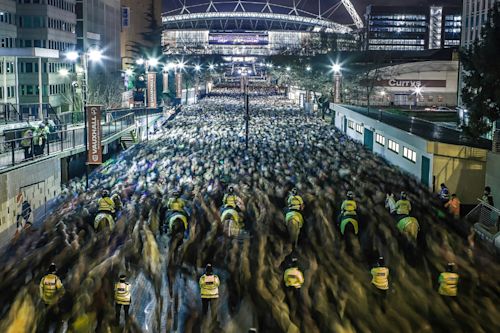
Although all areas of private and business life worldwide were affected by COVID-19, the impact on the hospitality industry surpasses anything seen before. According to the American Hotel & Lodging Association, the hotel and hospitality industry experienced the largest decline in employment compared to all other sectors. As some parts of the world gradually recover from the pandemic and devise new plans, many hotel managers are asking themselves: How can I best prepare for reopening after COVID-19?
Block
Undoubtedly, hotels will face changed conditions and new customer requirements and needs after reopening. Based on this, the following three suggestions can help hoteliers meet these expectations.
Reducing Physical Contact
Almost single-handedly, COVID-19 has changed our behavior regarding physical contact worldwide, as the virus can spread via surfaces. Therefore, companies are under pressure to minimize every physical contact that we previously considered normal in our daily lives: whether entering a building, traveling, or making payments. After the pandemic, customers expect that contactless access solutions such as automatically opening doors, revolving doors, and mobile access will become the new norm. Many modern, future-oriented hotels are already using such technologies, which increase customer satisfaction – after COVID-19, they could become standard.
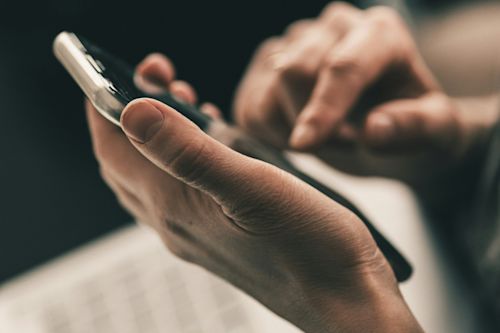
For example, mobile access, which enables keyless entry to rooms or communal areas such as restaurants or gyms, can minimize the number of physical contact points for guests and staff. Thanks to online check-in and check-out facilitated by mobile access technologies, guests could avoid long waits in queues at the reception, save time, pay cashless, and thus reduce health risks.
In the race for innovative technologies to win over customers, hotels reopening after COVID-19 also benefit from using other solutions. For example, they can further optimize operations with elevators activated by facial recognition or with new mobile payment methods.
With minimal effort, hotels reopening after COVID-19 could also consider realigning their services to adapt to new requirements: for example, by offering in-room dining instead of buffets or restricting access to the gym. Likewise, all entrance areas should be regularly disinfected and maintained.
Establishing Safety and Hygiene Protocols
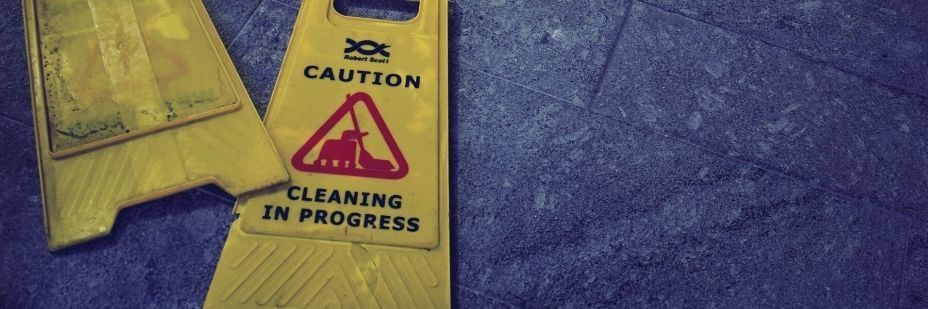
In accordance with laws and regulations of the respective authorities, those responsible in the hospitality industry must establish a detailed safety and hygiene protocol before reopening their hotels after COVID-19. To maintain the health, safety, and protection of guests, team members, and business partners, comprehensive training must be conducted. This keeps staff up to date with hygiene regulations or recommendations, such as those issued by the World Health Organization or the Robert Koch Institute.
Other precautions could include hand hygiene stations throughout the facility or the use of personal protective equipment (PPE). Protective screens, increased and documented cleaning and disinfection routines, as well as maintaining an appropriate distance – also known as “social distancing” – are also suitable measures.
In addition, hoteliers are advised to document everyone who comes into physical contact with the hotel in order to be able to trace any potential transmission risk.
Optimizing Service and Operations

Even though some countries are already on the way back to normal life and are trying as best as possible to minimize the impact of the pandemic on life, uncertainty still prevails. In many countries, travel is still prohibited or severely restricted. As many flights have been canceled and millions of trips have been canceled, hotel revenues have dropped massively. Therefore, for reopening after COVID-19, it is essential for hoteliers to optimize services and processes in such a way that customer satisfaction is increased and new customers can be gained.
Hospitality experts believe that the pandemic will change the expectations, ideas, and consumption habits of hotel customers. For example, customers will pay more attention to food safety. Likewise, since many social activities have shifted to online channels, they will be more likely to interact with hotel brands via social media.
In this way, hoteliers who take into account the needs of their customers and their changing hygiene requirements will be well prepared to win them back when reopening their hotels after COVID-19.