Today, about one in three Americans rents an apartment. The demand for apartments and multi-family homes is at a historically high level. Last year, the multi-family market recorded dramatic growth with an increase of 15 percent in apartment transactions amounting to almost 168 billion US dollars.
This demand is driven by the rise in urban populations and demographic change: more and more empty-nesters are moving back into rental communities. Likewise, “Millennials” and Generation Z prefer living in rented apartments in urban centers, not only because of financial constraints such as student debt, but also because of lifestyle choices. By 2030, Americans will need about 4.6 million new apartments, otherwise they face a severe shortage.
While this shift is triggering many societal changes, living in apartments and multi-family homes also brings new challenges, especially in the areas of access management and home security.
However, given the increasing spread of digital technologies, many solutions have emerged over the years to address these challenges.
Smart Lighting

Equipping with smart lighting would not require any significant changes to a living space. The ability to program routines for automatic lighting maximizes energy savings indoors.
Depending on their needs and preferences, tenants can remotely adjust these bulbs, change the colors, or turn them off.
In addition, smart bulbs are also useful outside the property, as they increase the security of the building. While dark areas around the property could be a burden for tenants, just a few lights are enough to increase security. Motion sensors can help alert tenants to movement outside, which is a strong deterrent against intruders.
Smart Thermostats
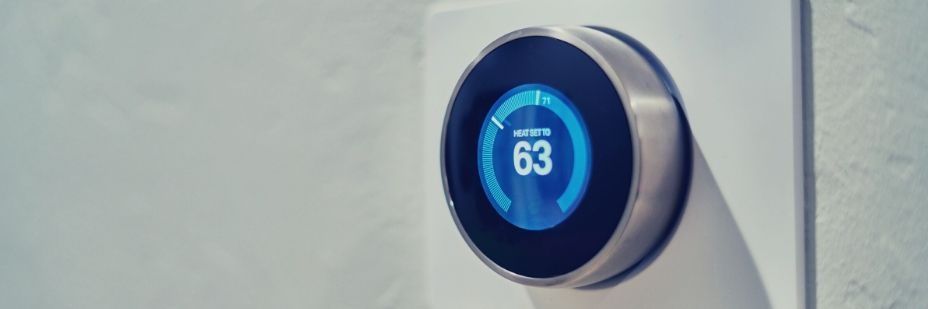
According to the U.S. Department of Energy, heating and cooling account for almost half of the electricity bills of an average home. Therefore, simply adjusting the room temperature in a large multi-family building can come with a hefty price tag. However, a smart thermostat allows tenants to save on energy costs without compromising on comfort. These IoT-controlled tools reduce heating costs by carefully regulating the temperature of apartments.
It is possible to program and control smart thermostats remotely to follow a specific schedule. In addition, many of these gadgets include room sensors to adjust the temperatures in each living space. The sensors can further reduce energy consumption and save money over time to maximize comfort at minimal cost.
Secure Access Systems
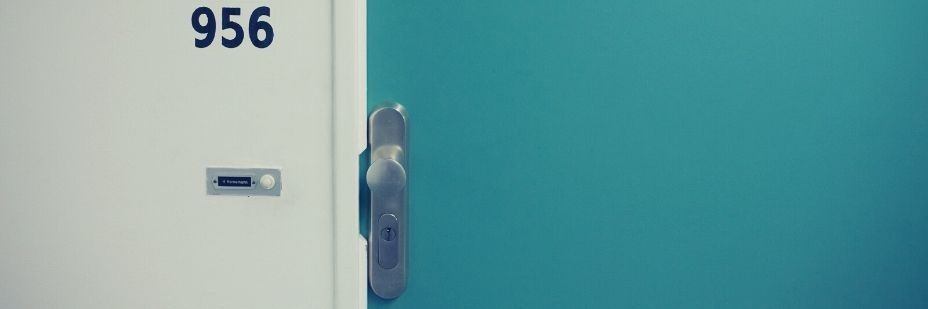
In an era of rapid digital technologies, traditional keys are more cumbersome and not secure enough. Many new solutions have emerged to overcome the limitations of a physical key.
Thanks to smartphones and IoT technologies, tenants can manage entry remotely. They can also secure some doors with electronic and wireless locking components that can be monitored.
Furthermore, in the near future, residents may no longer need to carry a key or key card. Advanced biometric access systems and facial recognition technologies are being developed to eliminate the need for a tool to open a door.
Despite the rapid societal changes, innovations are racing to meet the needs of an ever-changing real estate market. From smarter use of apartments in everyday life to securing entry systems, new technologies enable residents to live more smoothly in multi-family buildings.