For 60 years, Charlottesville-Albemarle Airport (CHO) in Virginia has proven to be small but excellent. The terminal covers only one and a half hectares, with 50 flights departing and arriving daily from a single runway. By comparison, the Hartsfield-Jackson International Airport in Atlanta, located eight hours south by car, has a terminal complex of over 156 hectares with 2,700 flights daily.
However, its tiny size hides astonishing growth. In 2018, Charlottesville-Albemarle Airport handled 696,512 passengers, an increase of 10 percent over the previous year. Even more impressive: this number has risen by 97 percent over the past ten years. Given the rapid growth in such a small space, the airport struggled to continue providing the amenities expected from much larger airports—such as food, restrooms, and above all, security. Security checks at the doors during peak times were a particular challenge, as arriving customers blocked the exits and the existing infrastructure was overloaded.
There used to be revolving doors dating back to 1995. We needed newer technology that would increase passenger throughput.
Melinda Crawford, CEO, CHO
As a result, the airport has spent years expanding and updating its capacity. In 2014, the airport underwent a comprehensive modernization that cost over 13 million US dollars. In 2012, an 800-foot runway extension was completed. Improvements also include new and improved restrooms, a new restaurant and bar, a new retail store, and additional parking spaces.
However, one of the trickiest and most important challenges the airport had to face was getting more and more passengers through entrances and exits without compromising security.

The efficient movement of people through different sections is important in any building. However, complications arise when passengers have to move from the landside (the publicly accessible area of an airport) to the airside. Here are strictly regulated sections, including runways and areas where aircraft taxi and load. Traditionally, the airport had security personnel guarding all revolving doors to prevent unauthorized entry in either direction. However, with the increase in airport traffic, the capacity of individual security guards to keep the airport safe and efficient fluctuated.
In 2016, the airport developed a solution: the Exit Lane Breach Control. These are locks with half-height or full-height double doors that open or close automatically, based on a programmed flow or locking mode, with the passenger flow. Advanced sensors can monitor people passing on the wrong side, or observe suspicious activities or unattended objects. If necessary, an alarm alerts security personnel—and all this without a single security guard.
This is just one example of how new technologies can shape the air traffic of the future and prove that size does not matter.
dormakaba Editorial Team

Related articles

Security
The Role of AI in the Security Operations Center
Artificial Intelligence has emerged as a key lever to enhance SOC performance, enabling teams to manage the scale and complexity that conventional tools can no longer handle effectively.
Security
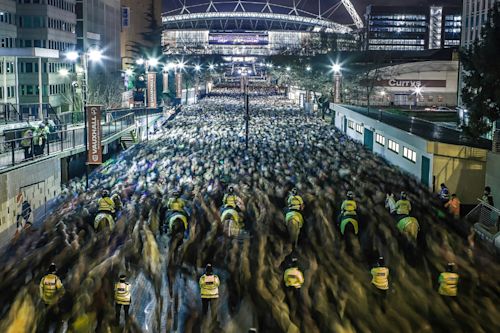
The Invisible Perimeter: Rethinking Stadium Access Control
The sports industry has been grappling with this tension between protection, technology, and spectator experience for years. A study drawing on the views of more than 150 security managers at sports venues across the United States identified the most pressing challenges they face: managing access flows, coordinating increasingly integrated technology systems, and the constant pressure to reduce wait times.

Security
How Expedition Ships Prepare for Health Crises on the High Seas
The recent outbreak of hantavirus on the expedition cruise ship Hondius escalated from an isolated problem to a global health crisis in a matter of days.